










Comment les additifs de surface affectent-ils les performances du revêtement ?
Date de sortie : 25/12/2025
Table des matières
Si vous avez déjà ajusté la formule d'un revêtement et eu l'impression que le résultat était « presque parfait », mais pas tout à fait, il y a de fortes chances que les additifs de surface aient été un élément important de la discussion. Ils sont généralement ajoutés en petites quantités, mais leur impact est souvent plus important qu'on ne le pense — parfois en bien, parfois de manière imperceptible sur le moment.
Alors, comment exactement ? additifs de surface Quel est l'impact réel sur les performances du revêtement ? Parlons-en en termes pratiques, et non en termes théoriques.
La première chose que vous remarquez : l’aspect du revêtement
Dans de nombreux projets, l'aspect visuel est le premier critère d'évaluation. Avant les tests de durabilité ou les évaluations à long terme, on se contente d'examiner la surface. Est-elle lisse ? Est-elle uniforme au toucher ? Présente-t-elle des marques, des lignes de coulée ou de petits défauts ?
Les additifs de surface favorisent une meilleure adhérence des revêtements après application. Ils réduisent les problèmes de tension superficielle susceptibles d'entraîner un écoulement irrégulier ou de petites imperfections. Il en résulte souvent une finition plus nette et plus uniforme, sans modification de la formulation de base.
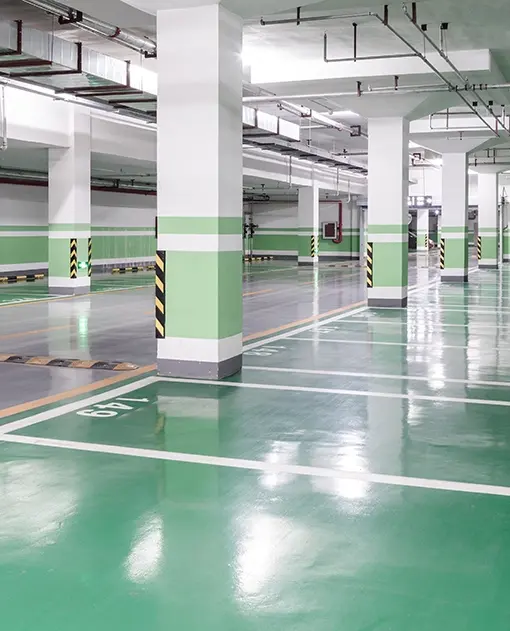
Cela est particulièrement visible dans les revêtements décoratifs, les finitions d'emballage et les produits destinés aux consommateurs, où la qualité de la surface influe directement sur la perception du produit.
Comment les additifs de surface modifient le toucher d'un revêtement
Un élément qui n'apparaît pas toujours dans les données de test, c'est le toucher. Mais en utilisation réelle, le toucher est primordial.
Additifs de surface Cela peut rendre un revêtement plus lisse, moins collant ou légèrement plus glissant. Cela peut paraître subtil, mais cela influence la façon dont les utilisateurs interagissent avec un produit : sa facilité de nettoyage, son confort d’utilisation et sa résistance à l’usure quotidienne.
Bien souvent, les clients ne disent pas : « Ce revêtement offre une bonne adhérence. » Ils disent simplement : « C’est plus agréable au toucher. »

Une meilleure résistance au quotidien, pas seulement sur le papier
La résistance aux rayures et à l'abrasion est souvent abordée en laboratoire, mais son comportement en conditions réelles est moins contrôlé. Les revêtements sont frottés, empilés, traînés et manipulés de manières parfois imprévisibles.
Les additifs de surface contribuent à réduire la friction en surface. Il en résulte moins de rayures visibles, moins de dommages superficiels et une finition plus durable. Pour les revêtements industriels, cela peut se traduire par une diminution des réclamations. Pour les emballages ou les produits de consommation, cela garantit souvent un aspect plus propre, même après transport ou stockage.
La résistance au collage en est un autre exemple. Lorsque des surfaces revêtues collent entre elles lors de l'empilage ou du stockage, cela devient très rapidement un problème pratique. Les additifs de surface contribuent à réduire ce risque en modifiant l'interaction des surfaces sous pression.
L'application devient plus facile et plus cohérente.
La performance ne se résume pas à l'aspect final du revêtement. Elle dépend aussi de la facilité d'application.
Additifs de surface Elle permet d'améliorer le mouillage et l'écoulement lors de l'application, ce qui rend les revêtements plus prévisibles. Il en résulte moins d'ajustements sur la chaîne de production, moins de retouches et des résultats plus homogènes d'un lot à l'autre.
Pour les fabricants, ce type de stabilité est souvent tout aussi important que les propriétés finales de la surface.
Pourquoi Polywill adopte une approche pratique des additifs de surface
Chez Polywill, les additifs de surface sont développés en tenant compte des environnements de production réels. Au lieu de se concentrer uniquement sur des conditions de laboratoire idéales, Polywill met l'accent sur les additifs qui offrent des performances fiables dans différentes formulations et scénarios d'utilisation.
Les clients qui utilisent les additifs de surface Polywill apprécient souvent :
- Intégration facile dans les formules existantes
- Performances stables pendant la production et le stockage
- Des résultats constants, applicables de la phase de test à la production en série.
Cette approche pratique permet aux clients de consacrer moins de temps au dépannage et plus de temps à l'optimisation de leurs revêtements.
FAQ sur les additifs de surface Polywill
Q1 : Les additifs de surface modifient-ils toujours l'aspect d'un revêtement ?
Pas toujours. Certains sont conçus pour améliorer les performances sans modifier sensiblement l'apparence, tandis que d'autres améliorent la douceur ou le toucher de la surface.
Q2 : Les additifs de surface peuvent-ils affecter l’adhérence ou la durabilité ?
En cas de mauvais choix, oui. C'est pourquoi Polywill privilégie des formulations équilibrées qui optimisent les performances de surface sans compromettre les propriétés du cœur.
Q3 : Les additifs de surface sont-ils difficiles à utiliser ?
La plupart des additifs de surface Polywill sont faciles à disperser et compatibles avec les systèmes de revêtement courants.
Q4 : Polywill peut-il aider au choix des additifs ?
Oui. Polywill travaille en étroite collaboration avec ses clients pour recommander des additifs de surface en fonction de leurs besoins réels, et non pas seulement de la théorie.